Saint Michael Plumbing Services for Residential and Commercial Properties
Dependable water heater services play an essential role in providing steady hot water for daily routines. Routine upkeep can enhance efficiency and extend the unit's lifespan. Nevertheless, many property owners miss signs that indicate a need for maintenance. Understanding these indicators and the importance of professional care can prevent surprising problems. What are the common signs that your water heater might need attention?
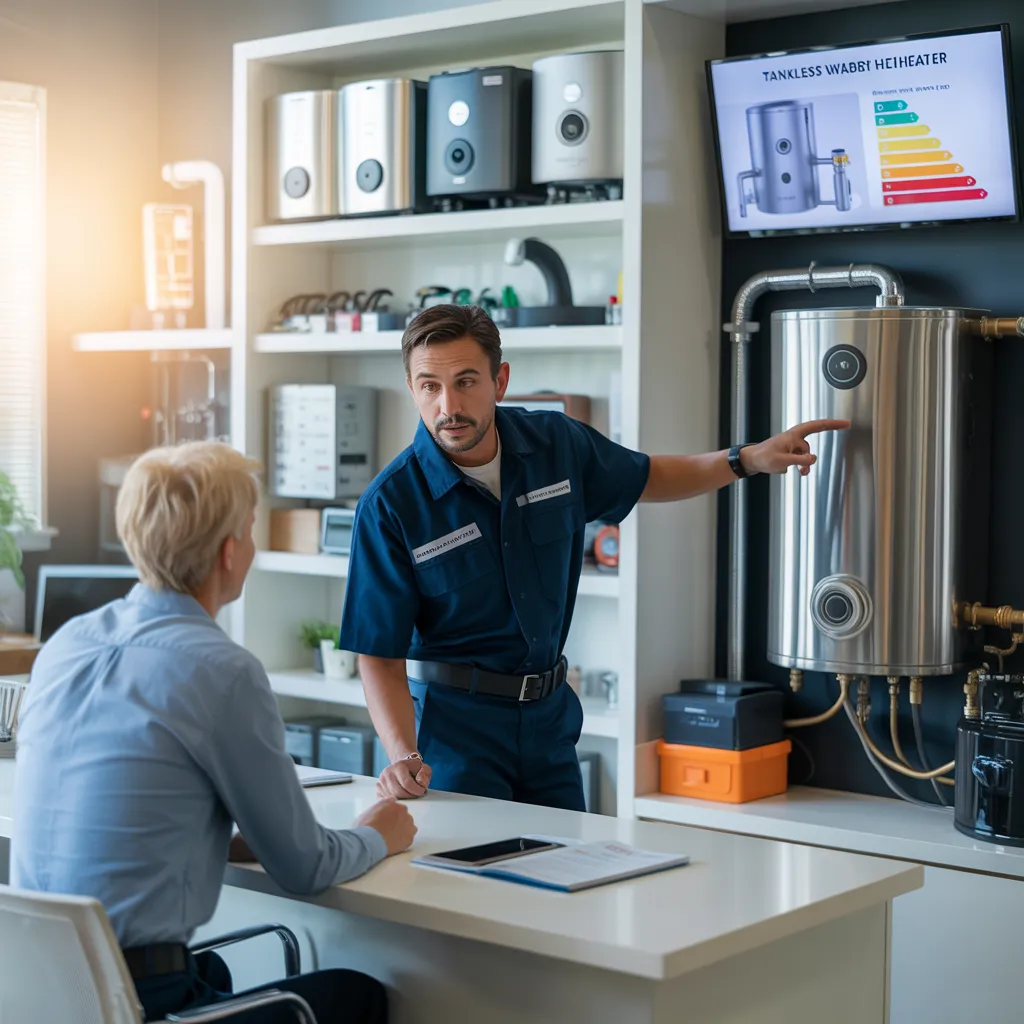
Common Indicators Your Water Heater Needs Repair
Water heaters often display subtle hints when they need servicing. One typical sign is inconsistent water temperature; when users experience shifts from hot to cold, it might signal a faulty thermostat or heating element. Additionally, unusual sounds like popping or rumbling can show sediment buildup, which lowers efficiency. Leaks around the equipment also call for attention, as they may suggest loose connections or internal tank complications. Moreover, discolored water or an unpleasant odor can signal rust or corrosion, harming the water quality. Lastly, if the heater struggles supplying enough hot water for daily demands, it could be time for a professional checkup. Identifying these signs early can avoid larger troubles and assure dependable hot water availability. By observing these indicators, homeowners can maintain the efficiency and durability of their water heating devices.
Why Consistent Care Keeps Your Water Heater in Good Condition
Routine maintenance is essential for ensuring ideal operation of a water heater. It enhances fuel economy, increases the appliance's lifespan, and helps identify potential issues before they worsen. By prioritizing upkeep, homeowners can keep their water heaters in excellent condition.
Enhanced Energy Efficiency
Keeping a water heater well-maintained is important for boosting its energy savings over time. Routine upkeep, including cleaning the tank and inspecting the heating elements, helps guaranteeing top operation. Sediment buildup can impact heating efficiency, causing greater energy use to reach set heat levels. By tackling these problems promptly, homeowners can cut down energy consumption and lower utility costs. In addition, checking the thermostat settings and confirming proper insulation around pipes can improve efficiency further. Technicians can spot and repair small issues before they develop, guaranteeing the water heater works effectively. This proactive method not only saves energy but also helps create a more sustainable household, in line with the increasing focus on environmental responsibility.
Extended Device Duration
A properly maintained water heater not only maximizes energy efficiency but also considerably prolongs its lifespan. Routine upkeep activities, such as draining the tank to remove sediment buildup and checking the anode rod, help avoid corrosion and scale accumulation. This proactive approach guarantees that the appliance operates smoothly, minimizing wear and tear on its components. Moreover, routine inspections can identify potential issues before they escalate, allowing for timely repairs that extend the unit's longevity. By investing in consistent maintenance, homeowners can enjoy consistent hot water and avoid the costly replacement of their water heaters. Ultimately, a commitment to maintenance translates to dependable performance and a longer, more efficient lifespan for the appliance.
Preventative Problem Discovery
Maintenance done proactively is critical to spotting possible water heater issues before they turn into serious troubles. Routine evaluations allow technicians to recognize early indications of wear, including sediment buildup, corrosion, or defective components. Taking care of these problems quickly can help avoid pricey repairs and lengthen the lifespan of the unit. Steady maintenance guarantees maximum efficiency, lowering energy costs and boosting performance. Setting up annual inspections enables homeowners to keep a consistent supply of hot water, ensuring comfort during everyday routines. Additionally, this preventative method promotes peace of mind, knowing the water heater runs safely and efficiently. Finally, making regular maintenance a priority is an investment in reliability and long-term contentment for any household.
How Professional Services Guarantee Your Water Heater's Performance
While many property owners may disregard the importance of regular maintenance, expert solutions serve a vital function in guaranteeing a water heater's efficiency. Technicians have the knowledge to conduct comprehensive evaluations, identifying problems that may be missed by non-professionals. They check essential components, such as thermostats, heating elements, and sediment buildup, which can significantly affect performance.
Regular maintenance, including rinsing the tank and assessing connections, prevents imminent failures and extends the lifespan of the unit. Additionally, professionals can reconfigure controls for maximum performance, ensuring that the water heater operates at peak efficiency.
Finding the Perfect Water Heating System for Your House
How can property owners guarantee they choose the most appropriate water heater for their requirements? The procedure begins with comprehending the various types available, including tankless, storage, and heat pump water heaters. Each type has distinct benefits; for example, tankless models provide on-demand hot water, while storage heaters provide a consistent supply.
Property owners should also assess their family composition and water consumption. Larger households may need a large-capacity water tank, while smaller households might take advantage of the efficiency of a tankless system. Additionally, efficiency standards are essential in sustained money savings. Property owners should look for models with ENERGY STAR certifications.
Finally, examining fuel options—gas, electric, or solar—can dramatically impact installation and operating costs. Checking with plumbing professionals can give further insights, ensuring homeowners make informed decisions fitting their exact needs and preferences.
Do-It-Yourself Advice for Essential Troubleshooting
When dealing with water heater problems, a few basic troubleshooting steps can often result in quick solutions. Verifying the power supply is crucial, as a minor electrical problem may be the culprit. Furthermore, examining the temperature settings can help ensure the heater functions within the preferred range.
Examine Your Power Supply
The first crucial step in diagnosing water heater malfunctions is checking the power supply. A water heater may not function properly if it isn't receiving adequate power. Begin by confirming that the unit is connected and that the circuit breaker hasn't activated. If the breaker is tripped, resetting it may recover power. It's also important to inspect for blown fuses; replacing any blown fuses can correct power issues. Additionally, inspecting for disconnected electrical wiring connections can be useful. If the water heater is gas-powered, confirming the gas supply is on and working is necessary. By systematically checking these elements, one can effectively troubleshoot basic power supply issues before calling in a professional.
Review Temperature Adjustments
A simple inspection of the temperature adjustments can often uncover the cause of water heater problems. Many homeowners ignore this easy step, yet it is essential for peak performance. Water heaters usually work best at a temperature between 120°F and 140°F. If the setting is too low, it may lead to tepid showers, while excessively high settings may create scalding hazards. Changing the thermostat is straightforward; most units feature a dial or digital interface for convenient changes. It is recommended to check the temperature with a thermometer to confirm accuracy. If changing the settings does not fix the issue, further investigation might be necessary, potentially involving expert assistance. Regular checks can help keep an effective and safe water heater.
What Will Occur During Your Water Heater Service Visit
Although many homeowners may be unsure about what to anticipate during a water heating maintenance visit, understanding the process can ease concerns. Typically, a qualified technician will arrive at the planned time, prepared with the necessary tools and parts. Upon arrival, they will examine the unit's status, checking for leaks, corrosion, and other potential issues.
The technician will also inspect the temperature settings and guarantee the heater is functioning efficiently. If maintenance is required, the technician will describe the problems and offer a detailed estimate before proceeding. Customers can anticipate clear communication throughout the visit, resolving any inquiries or issues.
At the conclusion of the service, the specialist will provide maintenance tips to help enhance the unit's functionality and energy savings. Overall, a professional water heater service visit is designed to ensure reliable functionality, giving homeowners confidence about their hot water supply.
How to Prolong Your Water Heater's Lifespan
Extending a water heater's durability necessitates proactive maintenance and thorough care. Regular inspections are important, allowing homeowners to identify potential malfunctions before they get worse. Flushing the tank every year removes sediment buildup, which can impair efficiency and lead to essential guide corrosion. Furthermore, inspecting the anode rod every few years guarantees protection against rust, as its decay alerts the need for replacement.
Furthermore, keeping the correct temperature configurations, generally around 120°F, improves both safety and power conservation. Insulating the tank and pipes minimizes heat loss, further contributing to durability. Homeowners should also be mindful of the water quality; hard water can notably reduce a water heater's life span.
In conclusion, arranging professional maintenance every few years can provide essential insights into the unit's condition, ensuring it operates at peak performance. By following these steps, homeowners can optimize their water heater's efficiency and longevity, resulting in consistent, enjoyable hot water.
Regularly Requested Responses to Questions
How Can I Tell if My Water Heater Offers Efficient Energy Usage?
To determine if a water heater is energy efficient, one should check its Energy Factor (EF) rating, compare operating costs, take into account the insulation quality, and determine whether it meets current energy standards for peak performance.
Discover Frequent Water Heater Brands and Evaluate Their Durability?
Popular water heater brands like Rheem, A.O. Smith, and Bradford White are widely available. As a rule, Rheem and A.O. Smith are noted for resilience, whereas Bradford White receives accolades for trustworthiness. Consumer reviews often highlights their effectiveness and longevity.
Do eco-friendly water heater solutions available?
Yes, sustainable water heater alternatives are accessible, including solar water heaters, heat pump systems, and tankless models. These choices support energy efficiency, lower carbon footprints, and can cut utility costs over time, advantaging both users and the environment.
How regularly Should I Upgrade My Water Heater?
Professionals typically advise replacing a water heater every 8 to 12 years, based on the model and maintenance. Routine inspections can help determine its efficiency and functionality, making sure timely replacement when required.
What Safeguards or Warranties Should I Consider?
When choosing a water heater, people should look for warranties that include parts and labor for at least five to ten years, as well as guarantees on functionality and installation to ensure long-term satisfaction and reliability.